

How Progressive Myopia Can Affect Vision Later in Life
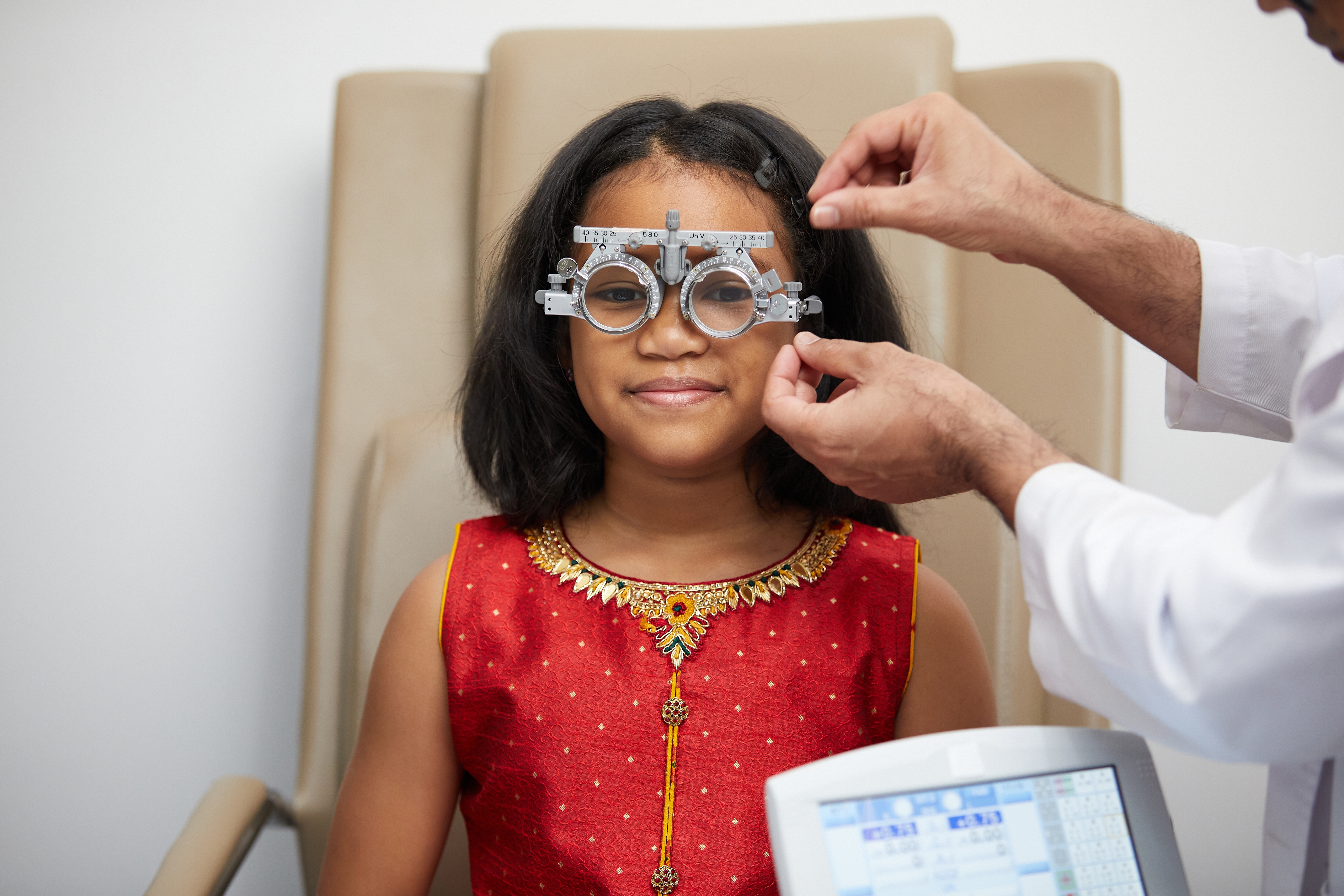
Myopia, or nearsightedness, often begins in childhood and can become stronger as a child grows. While glasses or contacts can help a child see clearly, progressive myopia is about more than a changing prescription. When myopia continues to worsen, it can increase the risk of certain eye health concerns later in life. Early myopia management in Seattle can play an important role in protecting long-term vision.
What Is Progressive Myopia?
Progressive myopia means nearsightedness continues to increase over time. A child may need stronger glasses or contact lenses year after year because distant objects become harder to see clearly. This often happens as the eye grows too long from front to back, which causes light to focus in front of the retina instead of directly on it.
Not every child’s myopia progresses at the same rate. Family history, age of onset, screen habits, outdoor time, and overall eye development may all play a role.
Why Myopia Progression Is a Concern
The main concern with progressive myopia is that higher levels of nearsightedness can place more strain on the internal structures of the eye. As the eye elongates, the retina and other tissues may become more vulnerable over time.
Progressive myopia may increase the risk of:
- Retinal tears or detachment
- Glaucoma
- Cataracts earlier in life
- Myopic macular degeneration
- Long-term dependence on stronger vision correction
These risks do not mean every person with myopia will develop serious eye disease. However, slowing progression during childhood may help reduce future risk and support healthier vision as your child gets older.
How Myopia Can Affect Daily Life
As myopia worsens, children may struggle to see the board at school, recognize faces from a distance, or participate comfortably in sports and activities. Frequent prescription changes can also be frustrating for both children and parents.
Clear vision is important, but myopia management focuses on more than simply updating a prescription. The goal is to help slow the progression of nearsightedness while supporting comfortable, functional vision.
Myopia Management Options
At Eye Clinics of Seattle, myopia management may include personalized treatment options based on your child’s eyes, lifestyle, and vision needs. These may include Essilor Stellest lenses, Ortho-K overnight lenses, MiSight contact lenses, or atropine eye drops. A comprehensive eye exam allows our doctor to evaluate your child’s prescription, eye health, and progression pattern. From there, a customized plan can be recommended to help manage myopia more proactively.
Personalized Myopia Care in Seattle
If your child’s prescription seems to change often, they squint to see far away, or there is a family history of nearsightedness, it may be time to ask about myopia control. The earlier progressive myopia is identified, the more opportunity there may be to help slow changes over time.
Schedule an eye exam with Eye Clinics of Seattle to learn more about myopia management options and how early care can help support your child’s long-term vision. Contact our offices in Seattle, Washington, located in Queen Anne, Ballard, or Roosevelt, by calling (206) 282-8120 to book an appointment today.

All Eye
Care Services

Keep
In Touch

At Eye Clinics of Seattle, we provide the highest quality optometry services and compassionate eye care to ensure you and your family are healthy and happy.
Eye Clinics of Seattle
© 2026 Eye Clinics of Seattle. All Rights Reserved. Accessibility Statement - Privacy Policy - Sitemap

