

How Screen Time Affects Myopia in Children
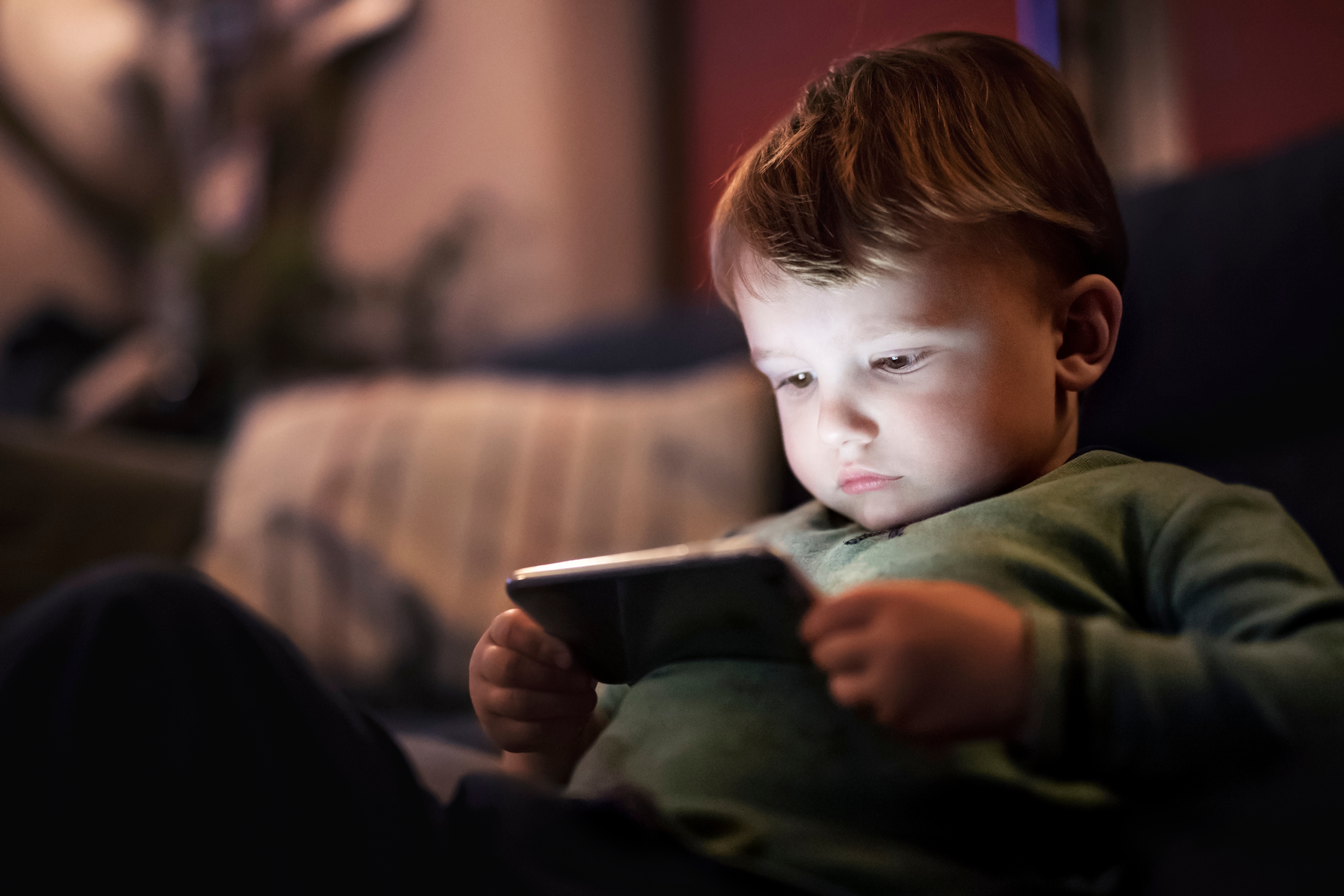
More time on screens can affect how a child’s eyes develop. While tablets, phones, and computers are now part of daily life, too much near work and not enough time outdoors may increase the risk of myopia progression. For parents in Seattle, understanding this connection can help support healthier vision habits early on.
What Myopia Means for Growing Eyes
Myopia, or nearsightedness, makes faraway objects look blurry. In children, myopia often develops as the eye grows too long from front to back. Once it starts, it can continue to worsen as a child gets older.
Screen time does not necessarily cause myopia on its own, but it can contribute to the visual habits linked to faster progression. When children spend long periods focused up close, their eyes stay under near-demand stress for hours at a time.
Why Screen Time Can Be a Concern
Many children now use screens for school, homework, entertainment, and social time. That can add up quickly. Extended near work with limited visual breaks may place more strain on the eyes and may reduce the amount of time children spend outdoors, which is another important factor in myopia management.
Common concerns linked to heavy screen use include:
• More hours of near focusing each day
• Fewer breaks for the eyes to relax
• Less outdoor time and natural light exposure
• Increased eye fatigue and visual discomfort
• Earlier signs of worsening nearsightedness
Signs Parents May Notice
A child with progressing myopia may start sitting closer to screens, holding devices near the face, or squinting when looking across the room. Some children also complain of headaches, tired eyes, or blurry distance vision.
These signs are easy to overlook because children may not realize their vision has changed. That is why regular pediatric eye exams are so important, especially during school-age years when myopia often becomes more noticeable.
Healthy Habits Can Make a Difference
Screen time usually cannot be avoided completely, but it can be managed better. Encouraging breaks during near work and making outdoor time part of the daily routine may help reduce some of the visual demands associated with myopia progression.
Simple changes like better posture, proper viewing distance, and limiting unnecessary recreational screen use can also support more comfortable vision habits.
When to Schedule a Myopia Evaluation
If your child’s prescription has been changing, or if you have noticed signs of blurred distance vision, it may be time for a closer look. A comprehensive eye exam can help determine whether myopia is progressing and whether treatment may be appropriate. We work with families in Seattle to monitor children’s vision and discuss options for myopia management based on each child’s needs.
Schedule a pediatric eye exam at Eye Clinics of Seattle for your child’s eye health and myopia care. Contact our offices in Seattle, Washington, located in Queen Anne, Ballard, or Roosevelt, by calling (206) 282-8120 to book an appointment today.

All Eye
Care Services

Keep
In Touch

At Eye Clinics of Seattle, we provide the highest quality optometry services and compassionate eye care to ensure you and your family are healthy and happy.
Eye Clinics of Seattle
© 2026 Eye Clinics of Seattle. All Rights Reserved. Accessibility Statement - Privacy Policy - Sitemap

