

Signs Your Child May Need Glasses or Contact Lenses
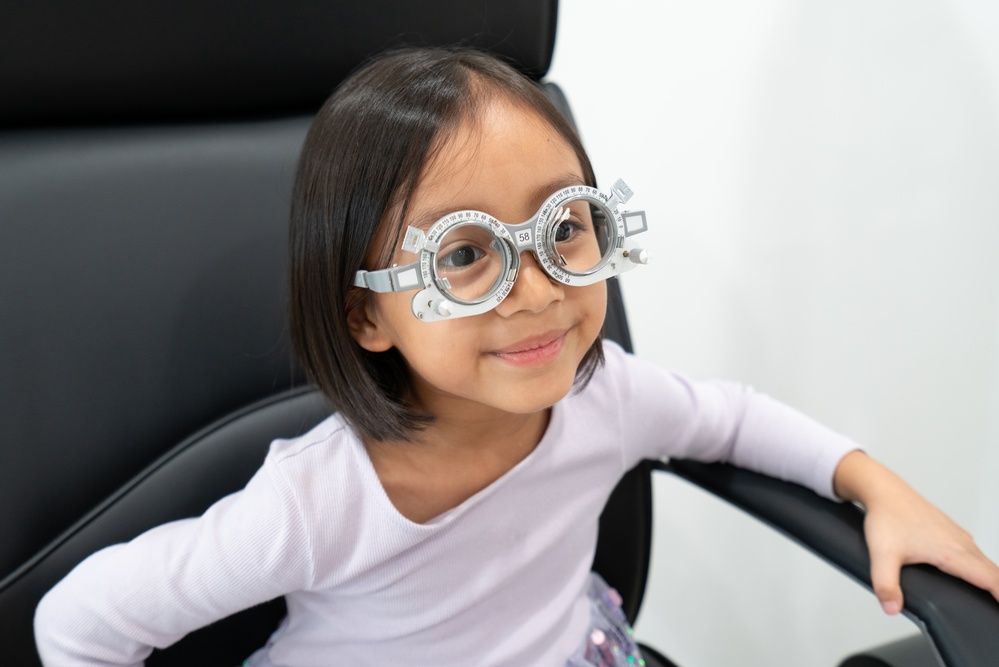
Children rely on clear vision for reading, learning, and everyday activities, but vision problems can be easy to miss. Kids may not complain about blurry vision because they don’t know what “normal” looks like. Understanding the warning signs that your child may need glasses or contact lenses can help you take action early and protect their long-term eye health.
What Causes Blurry Vision in Children?
Blurry vision in children is often caused by refractive errors, which affect how light focuses on the retina. Common causes include:
• Myopia (nearsightedness): Difficulty seeing objects clearly at a distance, such as classroom boards or street signs
• Hyperopia (farsightedness): Trouble focusing on close-up tasks like reading or writing
• Astigmatism: Distorted or blurred vision at all distances due to an irregularly shaped cornea
In many cases, these conditions develop gradually. Children may compensate by squinting, moving closer to objects, or avoiding visually demanding tasks - making routine eye exams essential for detection.
Common Signs Your Child May Need Glasses or Contact Lenses
Children don’t always verbalize vision problems, but their behavior can provide important clues. Signs to watch for include:
• Squinting or closing one eye to see more clearly
• Sitting very close to the TV or holding books and devices close to the face
• Complaints of blurry vision, headaches, or eye strain
• Frequent eye rubbing or blinking
• Difficulty concentrating on schoolwork or avoiding reading
• Losing their place while reading or using a finger to track words
• Poor academic performance not explained by other factors
• Tilting or turning the head to focus
If you notice any of these signs, a pediatric eye exam can help determine whether vision correction is needed.
The Importance of Early Detection
Vision problems can develop at any age, even if your child passed a previous screening. Regular pediatric eye exams allow eye doctors to detect changes early - often before symptoms become obvious.
Early detection is especially important because untreated vision problems can impact:
• Learning and reading development
• Classroom participation and behavior
• Sports performance and hand-eye coordination
• Overall confidence and quality of life
Routine eye exams also help identify eye health issues that may not cause immediate symptoms, ensuring your child’s vision develops properly as they grow.
Glasses or Contact Lenses: What’s Right for Your Child?
Many children do very well with glasses, while others - especially active older kids and teens - may benefit from contact lenses. Today’s contact lens options are safe, comfortable, and designed specifically for children, when properly fitted and monitored.
The Role of Myopia Management in Children
Myopia is becoming increasingly common in children and often progresses as they grow. While glasses and contact lenses can correct blurry distance vision, myopia management focuses on slowing its progression.
Myopia management options may include:
• Soft multifocal contact lenses
• Orthokeratology (Ortho-K) lenses worn overnight
• Essilor Stellest Lenses
• Atropine eye drops
Managing myopia early can reduce the risk of future eye health complications associated with high myopia, such as retinal problems or glaucoma. Your eye doctor can recommend a personalized approach based on your child’s vision needs and lifestyle.
Schedule Your Child’s Eye Exam Today
Clear vision is essential for your child’s success in school and everyday life. Because vision changes can happen quietly, paying attention to early signs and scheduling regular pediatric eye exams is key. Whether your child needs glasses, contact lenses, or myopia management, early intervention helps protect their vision now and for the future.
If you’ve noticed signs of vision trouble, schedule a pediatric eye exam at Eye Clinics of Seattle to learn more about personalized treatment options. Contact our offices in Seattle, Washington, located in Queen Anne, Ballard, or Roosevelt, by calling (206) 282-8120 to book an appointment today.

All Eye
Care Services

Keep
In Touch

At Eye Clinics of Seattle, we provide the highest quality optometry services and compassionate eye care to ensure you and your family are healthy and happy.
Eye Clinics of Seattle
© 2026 Eye Clinics of Seattle. All Rights Reserved. Accessibility Statement - Privacy Policy - Sitemap

